introduction: this article compares the mainstream return routes in the market from the two core dimensions of cost and stability, focuses on the characteristics and applicable scenarios of cambodia’s cn2 return servers, provides actionable optimization suggestions, and helps companies or individuals make clear judgments when selecting models.
cn2 represents china telecom's upgraded backbone network. the return lines are known for their better backbone direct connections, priority routing and relatively stable delays. cambodian cn2 return servers usually use this path to achieve lower jitter and more stable packet loss rate, which is suitable for businesses with high real-time requirements.
common return routes on the market include cn2, ordinary international bgp, direct connections to local operators, etc. they differ in routing priority, bandwidth pricing, interconnection partners, and controllability. the selection should be weighed based on business characteristics, budget, and network interconnection conditions in the target area.
line costs usually include: one-time access and equipment fees, monthly bandwidth fees, cross-border traffic and transmission fees, ip resources and operation and maintenance support fees. when deploying in cambodia, it is also necessary to consider the bandwidth premium and operation and maintenance complexity caused by the scarcity of local international export resources.
evaluating stability depends on packet loss rate, average delay, jitter, link failure recovery time and period fluctuations. it is recommended to take long-term sampling and use multi-node detection to compare peak and non-peak period data to obtain more convincing stability conclusions.
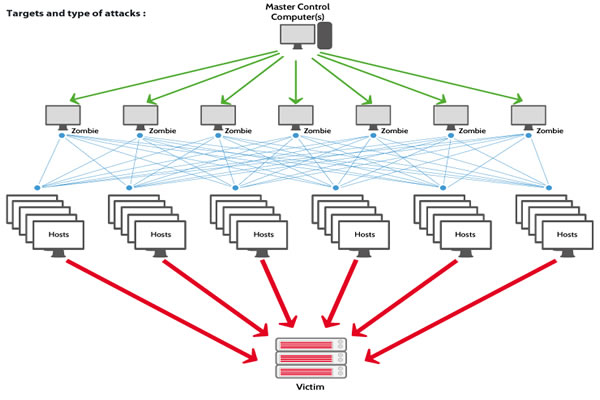
compared with ordinary bgp channels, cn2 is generally better in backbone path quality and packet loss control, but cost and availability are affected by supplier and local export restrictions. different lines have significant differences in cross-border hop count and interconnection partners, and selection must be based on actual evaluation.
cambodia's international exit points are relatively concentrated and are greatly affected by single point failures and seasonal link congestion. there are also policy and physical infrastructure restrictions that may cause fluctuations in bandwidth supply. the local operator's interconnection maturity and backup plan should be evaluated before deployment.
bandwidth is not the only guarantee of stability. reasonable bandwidth redundancy, traffic cleaning and qos policies can improve the experience. differentiated bandwidth and priority configurations should be designed for different services (such as web pages, file downloads, real-time voice/video).
a quick-response operation and maintenance team and a complete alarm and routing switching mechanism can significantly shorten the fault recovery time. when selecting a supplier, priority should be given to evaluating its local delivery capabilities, monitoring capabilities and historical service stability record in cambodia.
it is recommended to adopt a multi-line architecture of cn2 main chain + other international bgp backup chains, combined with intelligent routing and bgp policy fast switching. through proactive health detection and traffic allocation strategies, business continuity and availability can be maintained during emergencies.
if the business is sensitive to delay, packet loss and jitter (such as real-time voice, video conferencing, online games), cambodia cn2 return server is a more suitable choice. if the budget is limited or bulk data transmission is the main task, lower-cost lines can be used for offloading.
summary: comparing the cost and stability of mainstream lines in the market and focusing on cambodia’s cn2 return server should be based on actual measured data and business needs. it is recommended to conduct multi-point evaluations, calculate the total cost of ownership, and design multi-line redundancy and complete operation and maintenance solutions before making decisions to achieve a cost-controllable, stable and reliable return route.
- Latest articles
- Analysis Of The Advantages Of German Independent Servers In Cross-border Data Processing From The Perspective Of Regulatory Compliance
- A Practical Guide To Listing And Deploying Taiwan Cloud Server On Amazon
- Research On The Access Speed And Conversion Rate Of E-commerce Websites After Using Japanese Line CN2 Transfer
- Technical White Paper South Korea’s Large Bandwidth Server Rental Architecture And Bandwidth Control Strategy
- A Must-read For Beginners: Practical Methods For Optimizing Performance After Downloading And Installing Vietnam Zombie Servers
- Shanghai Japan Cloud Server Network Latency Test And Optimization Implementation Plan
- Korean Group Website Advertising Strategy, Local Platform Selection And Conversion Rate Improvement
- Network Interconnection And Routing Practice Of Hong Kong Cloud Server Cn2 In Multi-cloud Architecture
- From Logs To Traceability, Tracking And Analysis Methods After Tencent Cloud Hong Kong Server Was Attacked
- Stable And Cheap Malaysian Server For Live Video Broadcast. Key Points Of Delay And Jitter Control
- Popular tags
-

How To Choose A Suitable Cambodia Free Server To Build A Website
this article will guide you on how to choose a suitable cambodia free server to build a website to support your online business. -
Current Market Status And Future Development Of Cambodia's Cn2 Network Services
This article discusses the current market status and future development of Cambodia's CN2 network services, and analyzes market trends, challenges and opportunities. -

Comparative Analysis And Selection Suggestions Between Hainan Servers And Cambodia Servers
this article conducts a comparative analysis of hainan servers and cambodian servers, and provides selection suggestions to help users make informed decisions.